Why Routine Car Detailing Is Crucial for Your Vehicles Longevity
Regular car detailing is crucial for extending a vehicle's lifespan. It encompasses thorough cleaning and maintenance that prevent dirt and harmful substances from causing damage. By tackling minor issues early, car detailing not only improves appearance but also enhances performance. This process protects materials and supports vehicle value over time. Understanding these aspects can explain why neglecting detailing might result in unanticipated consequences. What specific benefits does detailing deliver to both the exterior and interior?
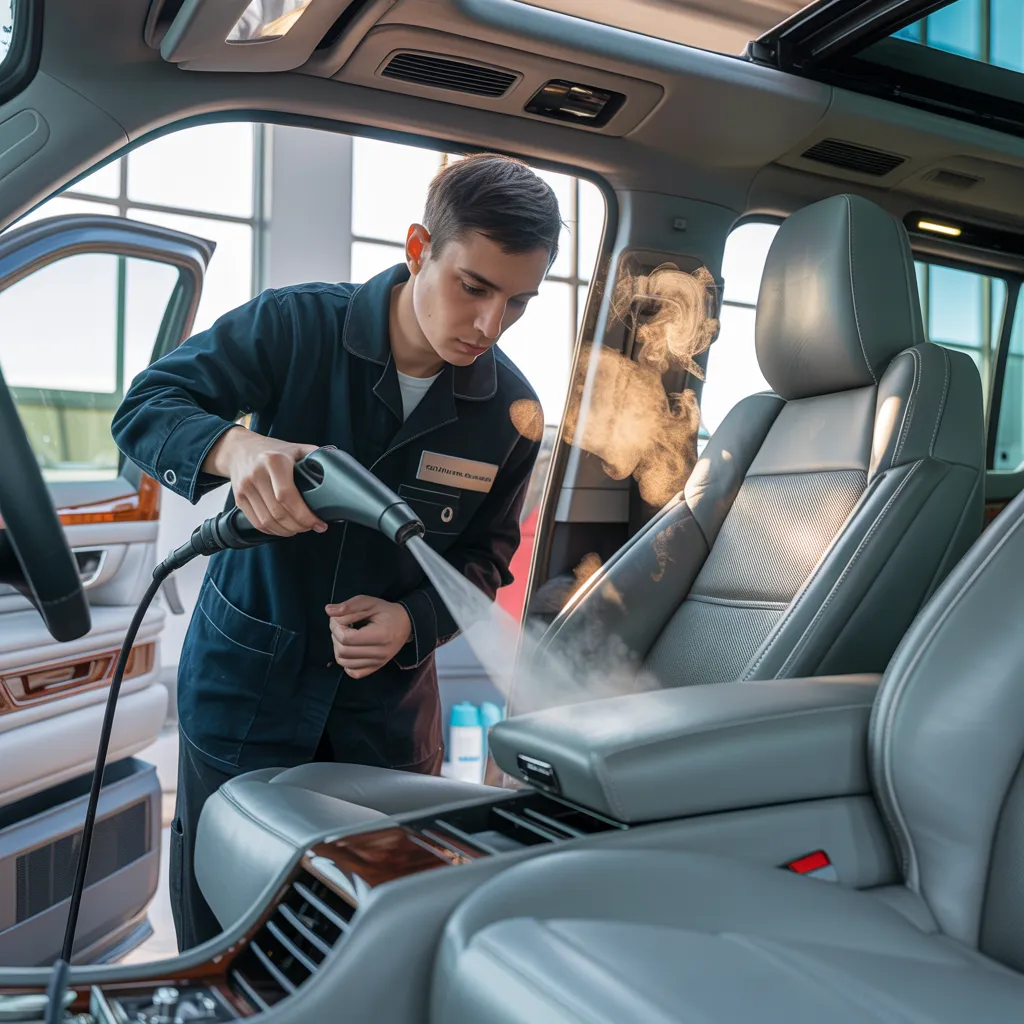
Why Regular Detailing Is Crucial for Longevity
Routine detailing plays an essential role in increasing a vehicle's lifespan. By routinely cleaning and maintaining both the internal and external components, owners can stop the accumulation of dirt, grime, and other damaging substances that can cause deterioration. Regular detailing assists in identify and address and address minor issues before they turn into costly repairs.
In addition, the detailing process includes detailed inspections, which can identify hidden concerns with the vehicle's components. This proactive approach to maintenance not only improves the vehicle's appearance but also guarantees optimal performance over time.
Moreover, the use of high-quality cleaning products during detailing safeguards the integrity of multiple materials, such as upholstery and paint, shielding them from wear and tear. As a result, regular detailing cultivates a sanitary and healthy environment within the vehicle, ultimately boosting its longevity and overall value.
How Detailing Services Protect Your Car's Exterior
A well-maintained exterior is essential for maintaining your car's appearance and structural integrity. Consistent car detailing serves as a protective barrier against outdoor elements, like UV rays, road salt, and pollutants. These factors can result in paint oxidation, rust, and deterioration over time. By using techniques such as waxing and sealant application, detailing creates a hydrophobic layer that deflects water and contaminants, limiting the risk of corrosion.
Additionally, detailing removes dirt and grime that can scratch the paint, ensuring a sleeker surface that reflects light more efficiently. Regular polishing serves to restore the vehicle's shine while stopping minor blemishes from becoming substantial issues. Moreover, keeping up the exterior can improve the vehicle's resale value, as future buyers are likely to be interested in a well-presented car. Ultimately, thorough detailing preserves a vehicle's exterior, lengthening its lifespan and preserving its visual appeal.
Interior Cleaning's Role in Vehicle Maintenance
Interior cleaning plays a critical role in overall vehicle maintenance by preventing odor buildup and protecting the materials inside the car. Consistent focus on the cabin helps preserve a clean atmosphere for occupants while prolonging the lifespan of seats and surfaces. By emphasizing this element of vehicle maintenance, owners can ensure both comfort and durability for their automobiles.
Preventing Unpleasant Odor Formation
Although several drivers often neglect it, stopping odor buildup is critical for keeping a agreeable driving environment. Over time, grime, food particles, and spills can accumulate throughout a vehicle's interior, creating offensive odors that can repel passengers and create an unwelcoming atmosphere. Routine interior cleaning, including vacuuming and upholstery treatment, helps get rid of these sources of odors, providing a fresher scent throughout the vehicle. Also, attention should be paid to inaccessible areas where debris might hide, such as below seats and in cup holders. Utilizing air fresheners or odor-eliminating sprays can additionally enhance the driving experience. Ultimately, preventive measures against odor buildup promote a more pleasant ride, encouraging both vehicle lifespan and overall pleasure for drivers and passengers alike.
Protecting Interior Materials
Regular interior cleaning plays a crucial role in preserving vehicle materials from premature wear and damage. Built-up dirt, dust, and debris can deteriorate upholstery and surfaces, leading to unsightly stains and deterioration. Frequently vacuuming carpets and seats stops particles from embedding into fabrics, while wiping down hard surfaces clears away grime that could harm finishes. Additionally, using appropriate cleaning products confirms that materials such as leather, vinyl, and plastics preserve their integrity and appearance. This proactive approach not only enhances the aesthetic appeal of the vehicle but also contributes to its overall value. By prioritizing interior cleaning, vehicle owners can extend the lifespan of their interior components, guaranteeing a comfortable and inviting driving experience for years to come.
Perks of Waxing and Polishing for Protecting Your Paint
Though numerous vehicle owners focus on washing their cars, the advantages of waxing and polishing stretch far beyond just aesthetics, offering essential protection for paint surfaces. Regular waxing forms a protective barrier against damaging elements such as UV rays, bird droppings, tree sap, and road salt, which can lead to significant damage over time. This barrier not only preserves the paint from oxidation but also helps maintain its rich color and shine.
Polish work, by contrast, clears away superficial scratches and defects from the surface, enhancing the vehicle's overall appearance. This procedure refines the paint, making it more glossy and boosting its capacity to shed water, which decreases the risk of water spots and stains. Collectively, waxing and polishing result in a carefully maintained exterior, seeing to it that the vehicle keeps visually striking and shielded against environmental elements, eventually lengthening its lifespan.
Why Professional Detailing Increases Your Car's Resale Worth
A pristine appearance greatly impacts a vehicle's resale value, as interested customers are often appealed by well-maintained cars. Consistent detailing services not only improves the visual appeal but also assists in avoiding the depreciation effects caused by environmental elements and lack of care. By allocating resources to detailing, car owners can successfully protect their vehicle's value over time.
Immaculate Look Counts
Maintaining a pristine appearance greatly impacts a vehicle's resale value. When potential buyers evaluate a used car, the first impression often copyrights on its visual appeal. A well-detailed vehicle, free from dirt, scratches, and blemishes, communicates care and attention, suggesting that the car has been serviced properly throughout its life. In contrast, a neglected appearance can lead buyers to question the overall condition of the vehicle, affecting both their willingness to purchase and the price they are willing to pay. Additionally, detailing improves components such as the paint and upholstery, which can greatly impact resale negotiations. Ultimately, investing in regular car detailing not only maintains the vehicle's aesthetic appeal but also strengthens its financial return in the resale market.
Blocks Depreciation Effects
Routine car detailing serves a vital function in preventing depreciation effects on a vehicle's value. A properly cared for car not only appears more attractive but also signals to potential buyers that it has been cared for. Detailing clears away dirt, grime, and contaminants that can harm the exterior and interior over time, maintaining the car's condition. Regular cleaning and waxing shield the paint, avoiding rust and fading, while comprehensive interior cleaning preserves upholstery and removes odors. These efforts together contribute to a higher resale value, as buyers often choose vehicles that look and smell fresh. Eventually, investing in regular detailing can greatly reduce depreciation, making certain that owners receive a better return when it comes time to sell or exchange their vehicle.
How Detailing Improves Overall Vehicle Performance
Though many individuals link detailing with aesthetics, the rewards stretch far beyond just appearances. Consistent car detailing serves an critical role in improving overall vehicle performance. A detailed cleaning can extract destructive contaminants such as dirt, grime, and salt that build up on the exterior and undercarriage, preventing corrosion and damage to vulnerable components. This protective maintenance can enhance the vehicle's durability and reliability.
Furthermore, detailing typically includes engine cleaning, which helps maintain peak performance by ensuring that the engine runs more efficiently and cooler. A clean engine is at reduced risk of overheating and can perform at peak efficiency. Moreover, detailing the interior can boost driver comfort and focus, which can indirectly produce an affect driving performance.
Essentially, ongoing detailing offers considerable advantages to a vehicle's performance, guaranteeing that it operates with optimal efficiency for many years.
When to Book Your Next Car Detailing Service?
What's the ideal time to book a car detailing appointment? Professionals suggest detailing every four to six months to keep your car's appearance intact and shield its surfaces. Moreover, specific circumstances may warrant more frequent sessions. For example, after experiencing harsh weather conditions, such as intense rainfall or snowfall, or after a long road trip, a detailing session can properly extract contaminants and stop deterioration.
Additionally, vehicles that are frequently parked in open spaces or in dusty settings may demand more consistent attention. Owners should also consider detailing before selling their automobile to boost its appeal and potentially increase resale value. In conclusion, if the vehicle demonstrates visible indicators of dirt, stains, or odors, it means that detailing is overdue. By scheduling detailing sessions at suitable intervals, vehicle owners can confirm their automobile remains in top condition, adding to its longevity and overall value.
FAQ
Is Self-Detailing My Car an Option Instead of Professional Services?
Yes, an individual can detail their car themselves, provided they have the necessary tools, products, and knowledge. However, achieving professional results may require practice and experience that a novice might lack initially.
How Frequently Should I Detail My Vehicle for Best Results?
For ideal results, getting a car detail every 3 to 6 months is read here suggested. This timeframe preserves the vehicle's appearance and safeguards its surfaces from environmental wear, delivering lasting quality and a greater resale value.
What Products Are Recommended for At-Home Car Detailing?
Recommended products for at-home car detailing include high-quality car wash soap, microfiber towels, clay bars, sealants or wax, tire dressings, and glass cleaners. These items help preserve a vehicle's appearance and protect its surfaces efficiently.
Will Car Detailing Remove Scratches and Dents From My Automobile?
Detailing services can lessen the appearance of scratches and swirls through polishing and buffing techniques. Nonetheless, it does not erase deep scratches or dents, which usually require professional repair for complete restoration.
Is Detailing Necessary for New Cars as Well?
Yes, detailing is necessary for new cars. It works to safeguard the exterior finish, keep the cabin in good condition, and enhance total visual appeal, making sure the vehicle continues in prime condition and keeps its value over time.